


Gum Disease: Early Signs, Causes and How to Prevent It
When you think about keeping your smile healthy, your teeth probably get most of the attention. But healthy gums are just as important.
Gum disease is one of the most common oral health problems, and it can affect people at almost any age. One of the challenges is that it can develop gradually and without much discomfort. By the time something feels noticeably wrong, the condition may already have progressed.
The good news is that gum disease is often preventable, and when it is caught in its earliest stage, it can often be reversed.

What Is Gum Disease?
Gum disease, also known as periodontal disease, affects the gums and other tissues that surround and support your teeth.
It usually begins with plaque — the sticky film of bacteria that continually forms on our teeth. Regular brushing and flossing help remove plaque, but when it isn't removed effectively, it can accumulate around the gumline and eventually harden into tartar, or calculus.
This can irritate and inflame the gums, leading to the earliest stage of gum disease, called gingivitis.
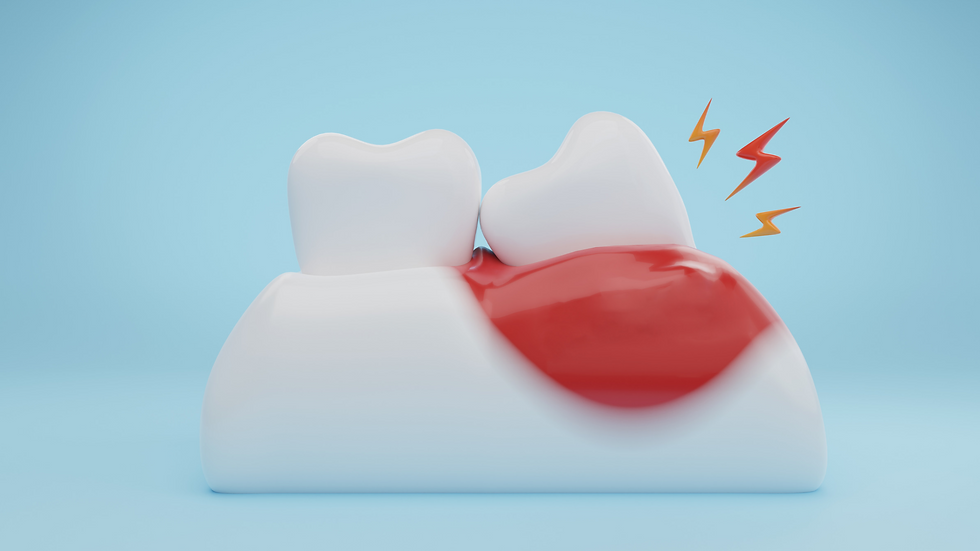
Gingivitis can cause red, swollen or bleeding gums, but it doesn't necessarily hurt. That's one reason it can be easy to overlook.
If gum disease continues to progress, it can develop into periodontitis. At this stage, the infection and inflammation can damage the tissues and bone that support your teeth. Over time, teeth may become loose and can eventually be lost.

Early Signs of Gum Disease
Your gums shouldn't regularly bleed, feel swollen or look inflamed. Some of the early warning signs to watch for include:
Red, puffy or swollen gums
Bleeding when brushing or flossing
Changes in the colour of your gums
Persistent bad breath
A bad or metallic taste in your mouth
Tender or sensitive gums
Gums beginning to pull away from your teeth
As gum disease progresses, you may also notice increased tooth sensitivity, changes in your bite, discomfort when chewing or teeth that begin to feel loose.
One important thing to remember: pain isn't always an early warning sign.
You can have gum disease without experiencing a toothache or sore gums. Regular dental examinations allow us to look for signs that can be difficult to recognize at home.
What Causes Gum Disease?
The primary culprit is the accumulation of bacterial plaque around the teeth and gumline.
When plaque isn't regularly removed, inflammation can begin. Hardened tartar also can't be removed with your toothbrush at home and requires professional cleaning.
Your daily oral hygiene habits therefore play an important role, but they're not the only factor.
Certain circumstances can also increase your risk of developing or experiencing more serious gum disease, including:
Smoking and tobacco use: Smoking is an important risk factor for gum disease and can also make it more difficult for damaged gums to heal.
Diabetes: People living with diabetes can have an increased risk of gum disease, particularly when blood sugar isn't well controlled.
Hormonal changes: Changes associated with pregnancy and menopause can affect the gums and their response to bacteria.
Certain medications: Some medications can affect your oral environment, including by contributing to dry mouth.
Genetics: Some people may be more susceptible to periodontal disease than others.
Stress and other health conditions: Your overall health can influence your oral health as well.
This is one reason dental care isn't necessarily the same for everyone. Understanding your individual risk factors helps us recommend the right preventive care for you.
Can Gum Disease Be Reversed?
There is an important distinction between the two major stages.
Gingivitis can be reversed. When caught early, improved daily oral hygiene combined with professional dental care can allow inflamed gums to become healthy again.
Once gum disease progresses to periodontitis and begins damaging the bone and tissues supporting the teeth, that damage cannot simply be reversed with brushing and flossing. However, professional treatment can help manage the condition and slow its progression.
That's why recognizing and treating gum disease early matters.
How Can You Help Prevent Gum Disease?
Prevention doesn't require an elaborate routine. Consistency makes the biggest difference.
Brush twice a day. Use a soft-bristled toothbrush and fluoride toothpaste, paying attention to the area where your teeth meet your gums.
Clean between your teeth every day. Your toothbrush can't effectively reach every surface between your teeth. Flossing or another interdental cleaning method helps remove plaque from these areas.
Pay attention to your gums. Take a look occasionally when you're brushing. If you notice persistent redness, swelling, bleeding or other changes, don't ignore them.
Don't smoke. Tobacco use significantly increases the risk of serious gum disease and can interfere with healing.
Maintain regular dental visits. Professional cleanings remove tartar that brushing and flossing can't, while dental examinations give us an opportunity to identify changes before they become more serious.
Your dentist or dental hygienist may recommend a visit schedule based on your individual oral health and risk factors.
At Conestoga Dental Centre, we're here to help you take care of both your teeth and the gums that support them.
Healthy gums are an important foundation for a healthy smile — and it's never a bad time to start taking better care of them.
Contact Conestoga Dental Centre today to book an appointment with our experienced dental professionals. You can reach us by phone at 905-840-0000 or by email at conestogadental@gmail.com. We look forward to helping you maintain good oral health and a bright, healthy smile!


Comments